Skip to content
The art of ham

Our Blog

The art of ham

Naturally cured ham

Naturally cured ham

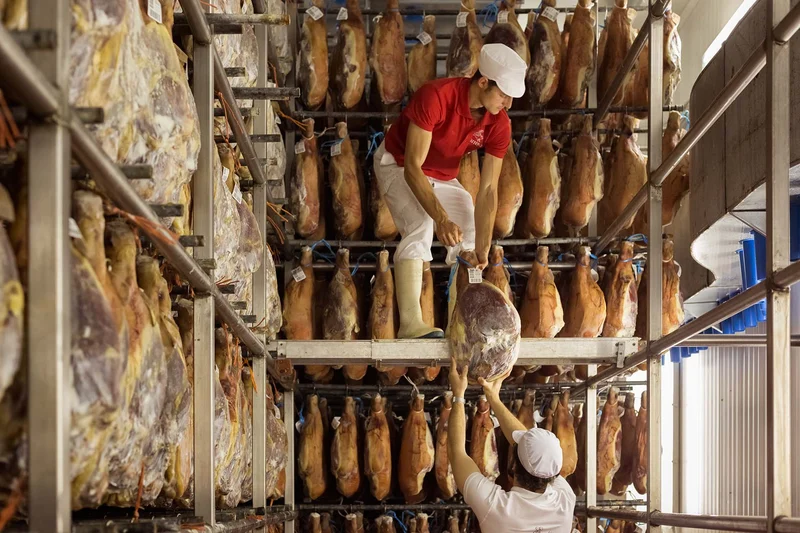
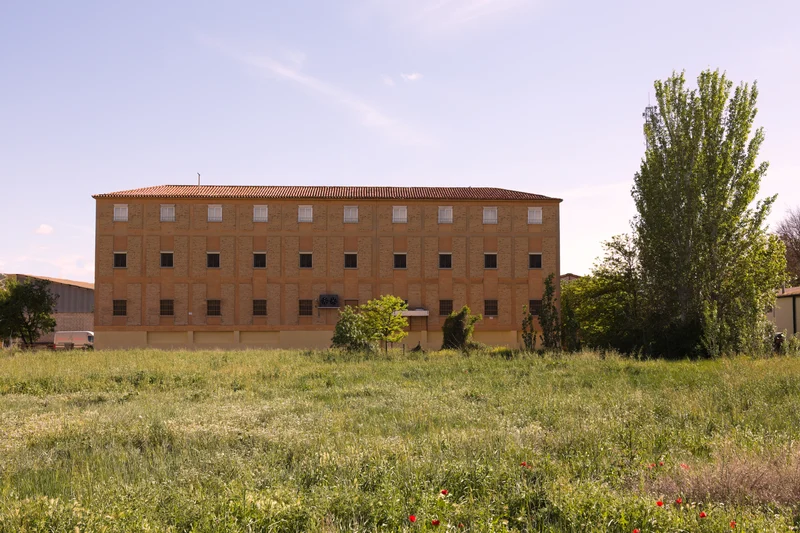
Breed and feed are pillars of quality ham, but curing—that quiet dialogue with the climate—leaves its defining mark. In the 1960s our grandparents built a multi-storey curing house in the Ebro Valley, choosing a natural process helped by the cierzo wind. Decades later, we, their grandchildren, have revived it and found the perfect climate: almost 16 months of natural maturation under Zaragoza's skies.

Hugo VillarroyaRead more ->
Into the curing house

Into the curing house

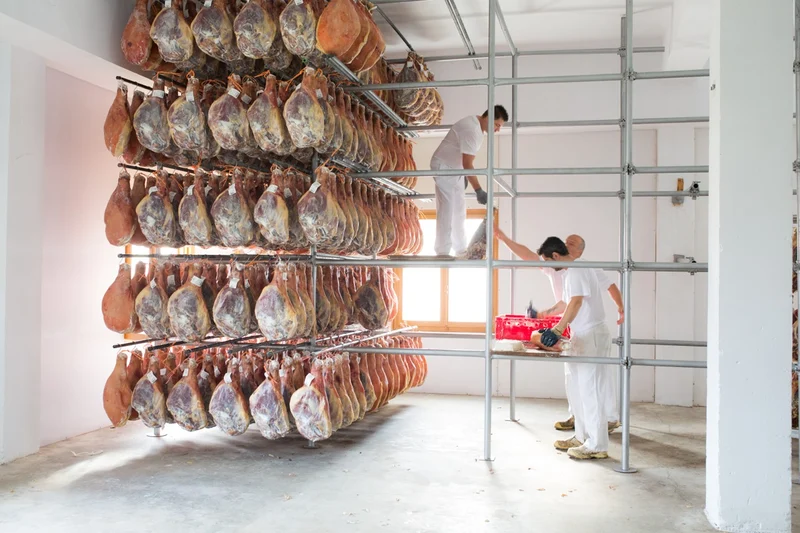
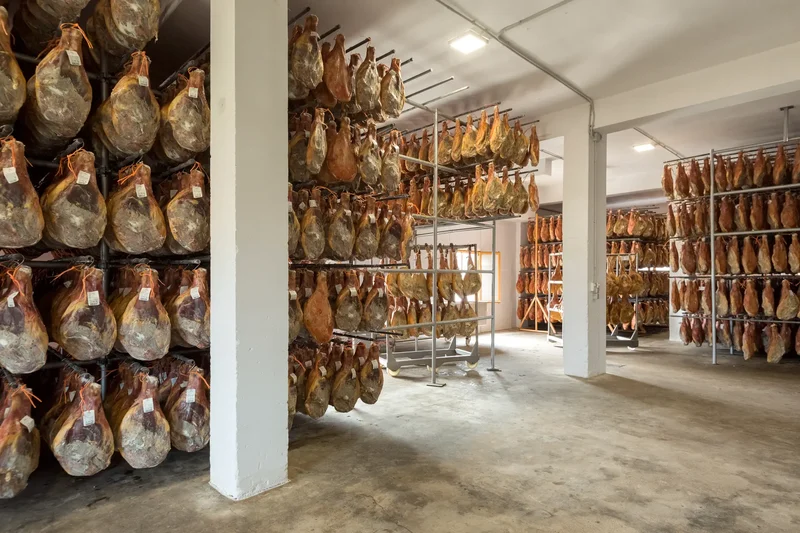
After salting, washing and resting, the hams reach the drying stage. In our natural curing rooms we use the Ebro Valley winds for traditional drying, while controlled rooms let us protect the ham when warm weather arrives early. The master ham maker opens and closes windows according to the weather to achieve the right cure.

Hugo VillarroyaRead more ->
Coating ham with lard

Coating ham with lard

Coating with lard is a key stage in making ham, performed by hand about six months after salting. It ensures an even cure and protects the ham from mites and mould. Pork lard covers cracks, especially around the hip bone and the tip. Slow and meticulous, this process ensures proper drying, preserving flavour, texture and quality while keeping our craft tradition alive.

Hugo VillarroyaRead more ->
Modern post-salting

Modern post-salting

After salting, ham is washed and rests for at least 60 days while the salt spreads throughout the piece and drying begins. At Jamones Villarroya we extend this process to 100–120 days for greater quality.

Hugo VillarroyaRead more ->
Salting ham

Salting ham

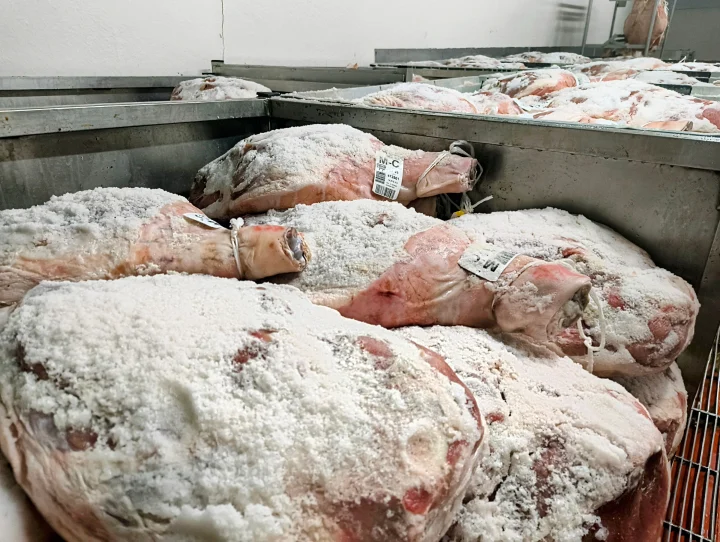
Salting is one of the most decisive stages in making good ham. It preserves the meat and directly influences its aroma, flavour and final quality. We choose slow, traditional salting, carefully adjusted to each ham's size and fat cover, avoiding fast industrial processes to produce a balanced ham full of character.

Hugo VillarroyaRead more ->
The history of ham in Spain

The history of ham in Spain

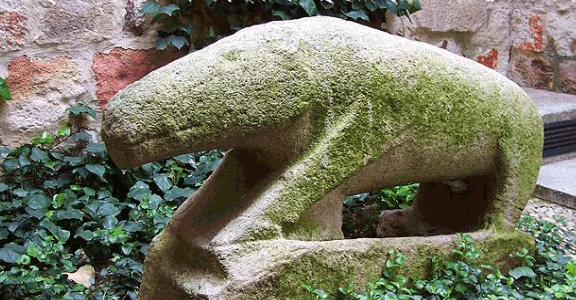
Discover the origins of ham on the Iberian Peninsula, from the Phoenicians to the present day. A journey through the history of this emblem of Spanish culture.

Hugo VillarroyaRead more ->

Imprescindibles para el funcionamiento del sitio, incluyendo la preferencia de idioma. No se pueden desactivar.

Nos permiten medir y analizar el uso del sitio para mejorarlo.