The drying stage: naturally curing our hams
Several factors, including breed and feed, are decisive in producing quality ham. A third is the type of curing. In today's article we discuss the importance of natural curing and how it affects the ham's final quality.

Traditionally, hams were cured at the top of village houses, in spaces that were cool in winter, well ventilated and inaccessible to mice and other animals. They stayed there for two years or more and were eaten gradually. Over time, however, the climate has changed. Winters are increasingly mild and short, so natural ham production has become concentrated in areas such as Teruel, Salamanca, Granada and the Sierra de Aracena: dry, cold places that allow optimal drying, reflecting each area's climate.
Naturally cured ham in the heart of the Ebro Valley?
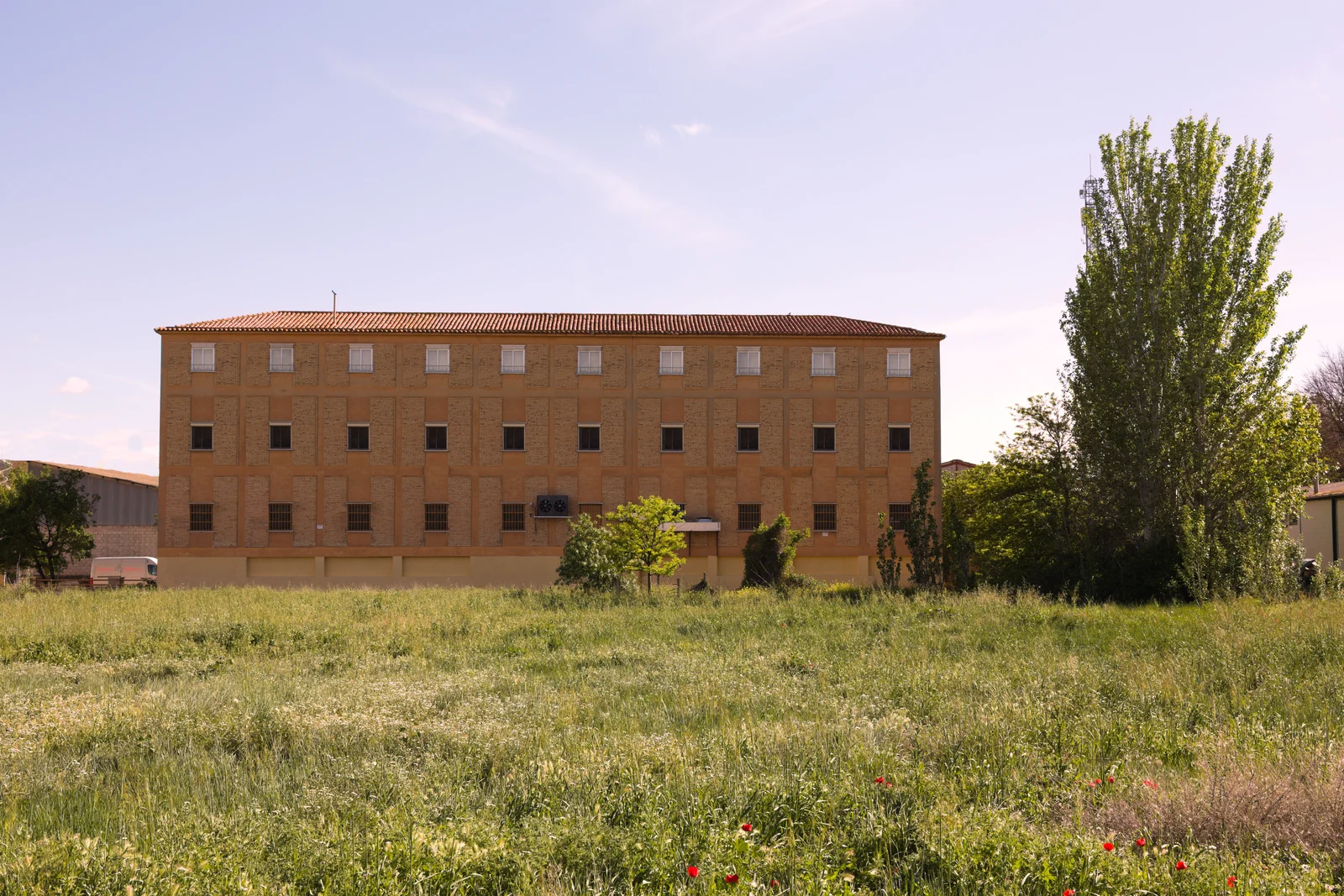
When our grandparents established the curing house in Cuarte de Huerva in the 1960s, they chose to preserve their roots in Teruel and their home village of El Castellar. They built a multi-storey curing house in the heart of the Ebro Valley, where hams could cure naturally with help from the cierzo wind. It was not easy at first: the short winter limited the number of hams they could cure.
Several decades later, we, their grandchildren, have revived this natural process and, to our surprise, found the perfect climate. We bridge the short winter with temperature-controlled cold rooms, but our hams spend almost 16 months of their lives maturing naturally in Zaragoza's climate.
What does such an extreme climate bring?
If you have visited Zaragoza or come from here, you will know its extreme climate: winter fog, the spring cierzo and hot, dry summers. Visitors tend to remember the weather. That memory, that distinctive imprint, also remains in our hams.
After leaving our controlled rooms, the ham is coated with lard (see: Coating ham with lard) and moved to our natural curing house, where it stays for around 16 months until ready. There it experiences winter, whose fog encourages beneficial Penicillium moulds—moulds that have been with us for decades, passing from ham to ham.

Then spring arrives and, as the Spanish saying goes, April is rainy and May is windy. The cierzo helps dry the hams, while the contrast between daytime and night-time temperatures helps the fats melt, giving the meat flavour and texture.
Finally, the hot, dry summer gives our ham its distinctive character and intense flavour. The heat promotes lipolysis and proteolysis in the fat and meat, generating aromatic compounds and an ideal texture. This sets us apart from natural curing houses in higher, colder places, where hams do not receive this essential warmth.
For all these reasons, for its lower environmental impact and for preserving the traditions of our parents and grandparents, we consider natural drying an added value and a sign of quality. When buying a ham, we encourage you to ask how long it has been cured—and, more importantly, how it was cured.
Comments (0)